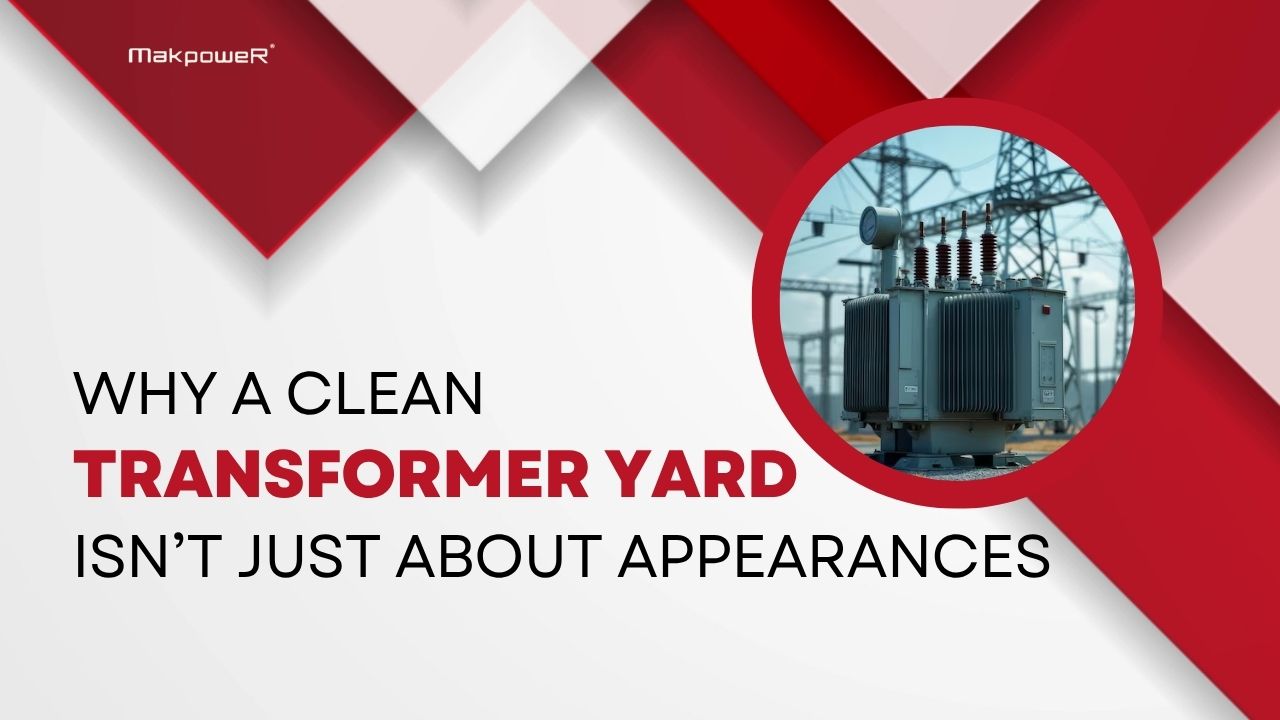
A transformer yard can keep running even when the surroundings start slipping. Dust builds on radiators, weeds creep around plinths, drainage channels clog, and small leaks disappear into stained ground. Even experienced transformers manufacturers understand that these early signs are often overlooked until performance begins to decline.
None of this looks urgent at first. Then temperatures rise a little faster, inspections take a little longer, and faults become harder to read.
A clean yard supports more than presentation. It supports the transformer itself.
Transformers release heat through surfaces, radiators, and cooling equipment, but that heat still needs room to leave the area. When scrap, vegetation, packed dust, or stored material crowd the perimeter, the air around the unit holds more heat than it should. Radiator banks lose part of their effectiveness when airflow slows or recirculates warm air back toward the tank.
In larger units, especially those working under heavy industrial duty, this change can alter how quickly oil sheds heat during repeated cycles. The yard condition then becomes part of the cooling system, whether anyone planned it that way or not—something every leading electrical transformer manufacturers in India carefully considers during installation and maintenance planning.
Outdoor insulation performs best when surfaces stay reasonably clean and dry. Once dust, oily residue, and moisture settle together on bushings or porcelain, the surface begins carrying stress differently.
Leakage paths grow easier to form, especially during damp mornings or after light rain. Surface tracking often starts this way, with contamination creating a film that changes how current behaves along insulation rather than through designed electrical paths. A transformer yard that stays clean gives those surfaces a better chance to hold their electrical margin through weather swings.
Faults rarely wait for ideal conditions. When overheating, tripping, or leakage appears, response speed depends on access, visibility, and safe footing around the unit. Debris on the ground, overgrowth near fencing, or poorly maintained cable trenches can slow the first few minutes of a response.
Those minutes shape what the team can isolate, verify, and protect. In high-value industrial yards, the difference between quick access and awkward access can influence how much stress the transformer carries before the situation settles.
Ground condition matters more than many teams realize. Standing water, blocked drains, and heavy mud near the transformer base create a slow chain of problems. Corrosion advances faster around supports, lower fittings, and hardware near the plinth. Small oil seepage marks disappear into dark, wet soil.
Maintenance crews lose visual cues that would otherwise stand out early. A stained patch on clean concrete tells a clear story. The same leak in a neglected yard can blend into debris and stay unnoticed until oil level or insulation condition starts shifting.
A cluttered yard weakens inspection quality before it weakens equipment. Loose connections, cracked porcelain, blocked breathers, and rust lines are easier to spot when the area around the transformer stays clear and orderly.
Access matters too. Technicians need space to walk the perimeter, compare surfaces, listen for noise changes, and notice patterns that do not show up in numbers alone. A clean yard makes visual judgment sharper. That’s important during routine checks, but it matters even more when a transformer starts behaving differently and the team needs fast clarity—an approach often emphasized by mak transformer experts during on-site evaluations.
A clean transformer yard supports cooling, insulation reliability, inspection accuracy, and faster response when something shifts. Those effects build quietly, which is why yard condition often gets judged too lightly until a larger issue brings it back into focus.
In our inspection, repair, and overhaul work, we often see site conditions explain part of the transformer story before the tank is even opened. When the yard stays clear, the equipment reveals more of its true condition.
If you want a closer look at how site conditions may be affecting transformer health, our team can help assess both the unit and the environment around it before small issues turn harder to manage.