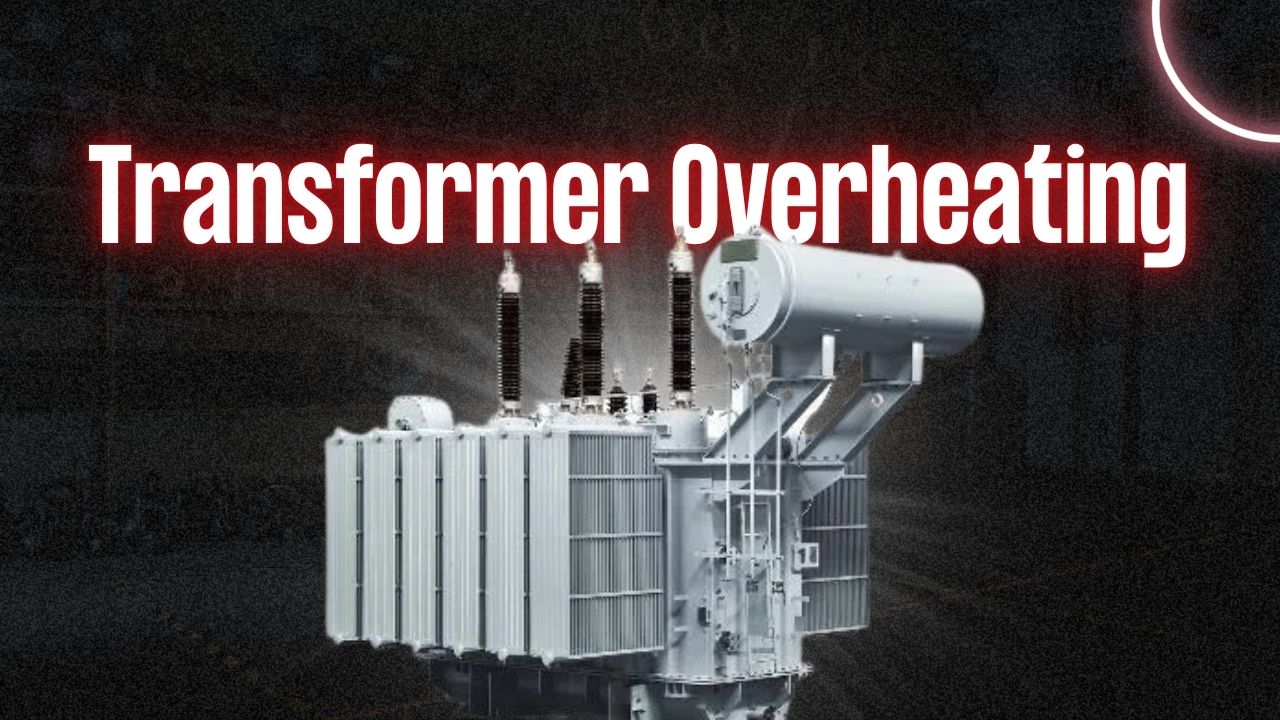
A rising top-oil reading without a matching load spike can feel confusing.
You've checked the load charts. Nothing seems out of range. And yet the unit keeps running hotter than usual, sometimes creeping past thresholds even under partial load.
We've seen this across industries, often on well-sized transformers that ran fine for years.
Here are some reasons temperature issues show up even when your load profile appears stable.
Winding geometry and clamping force affect how magnetic flux flows through the core. If the laminations shift or compress unevenly, losses increase within the steel path. This turns into unwanted heat that spreads across the tank.
You might not notice performance changes immediately, but the top-oil rise begins to tell a different story.
Many rebuilds we handle involve a full teardown and realignment of the core, not because it failed structurally, but because the imbalance led to chronic overheating.
Dielectric oil cools by circulation, not just by volume. Poor heat transfer often comes from internal blockages, misaligned barriers, or uneven venting inside the coil stack.
Even fresh oil won't cool effectively if it’s not moving where it should.
Our servicing teams sometimes find perfect oil reports paired with hot operating temps. In these cases, the problem lies in flow mechanics, not chemistry. Warm zones persist near the winding blocks while outer surfaces stay deceptively cool.
Temperature rise does not always point to one clear issue. It often builds from several low-grade inefficiencies that slip under daily monitoring.
Even when loads stay predictable, thermal readings tell a deeper story. Some of the quiet contributors include:
Each of these leaves a small mark. Together, they form a trend that can raise baseline heat levels even on healthy-looking systems.
In some cases, the cooling system works but the feedback loop doesn’t. Sensors installed too far from hot zones or tied to lagging inputs may trigger fans late or cycle them off too soon.
We've seen well-built transformers run 10 to 15 degrees hotter simply due to incorrect probe placement.
During rebuilds or refurbishments, verifying feedback accuracy is a small but impactful task. It brings actual cooling response in sync with thermal demand.
Chronic overheating is rarely a surface issue. It often traces back to buried mechanical shifts, flow irregularities, or subtle protection mismatches.
Our overhaul work routinely uncovers these layers, especially in units that have aged well but now show thermal fatigue.
If your transformer continues to run warm under light load, we suggest a deeper check.
Our rebuild and servicing routines help spot these silent degraders before they turn into full-blown failures. Get in touch with us to learn more.