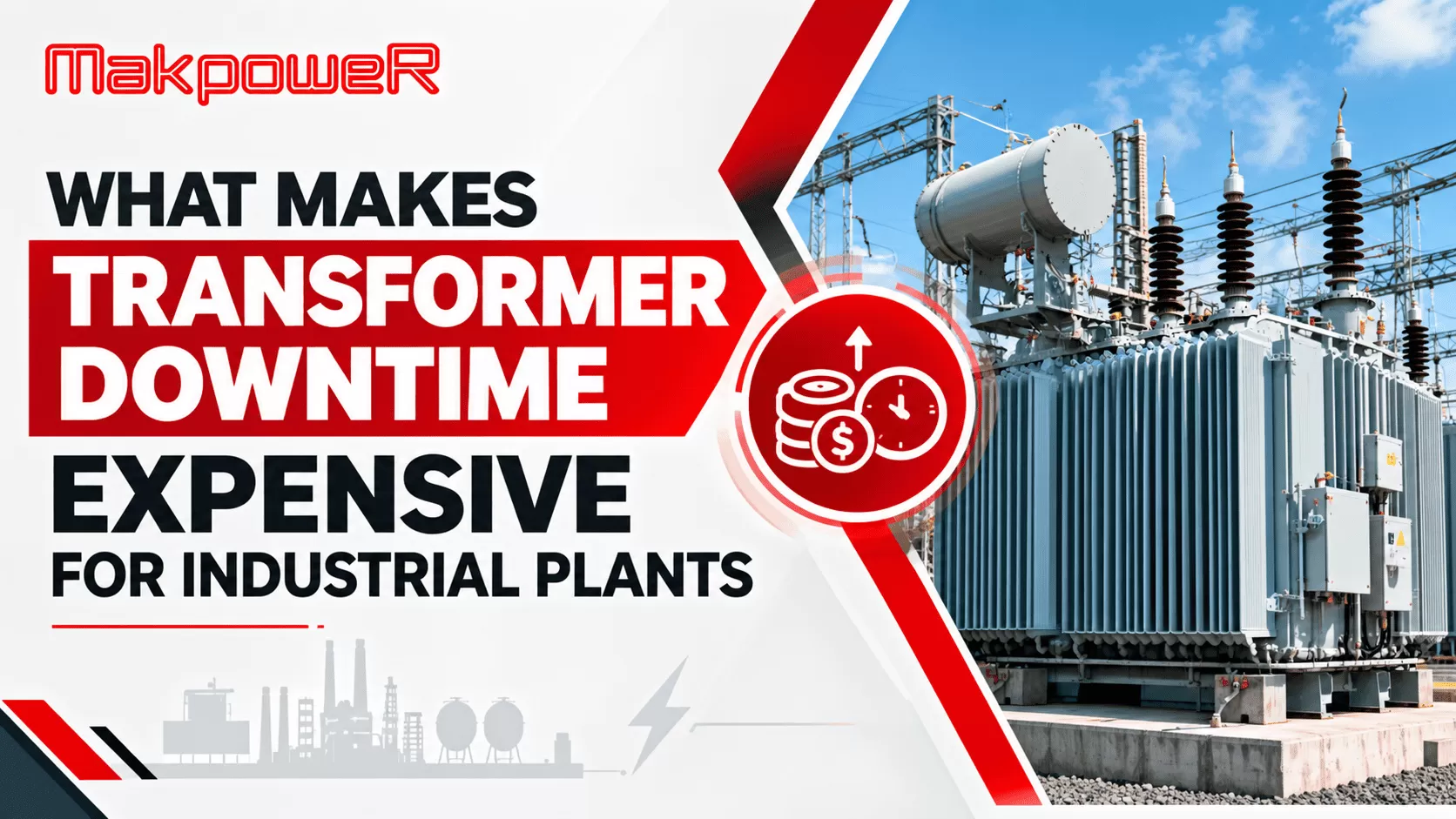
The transformer repair bill is usually the first cost anyone sees after a unit goes offline. The bigger expense may already be building elsewhere in the plant while the transformer is still being assessed.
Production slows, people wait, unfinished material sits in the process, and delivery plans start moving. A few hours can affect several departments at once, especially when one transformer feeds a critical production area. The real cost of transformer downtime therefore comes from what the entire plant loses while that unit remains unavailable.
Production loss starts the moment a critical industrial transformer drops out of service. A melting shop may lose a furnace cycle, a process line may sit idle, or several machines may lose the supply they need to keep the shift moving.
The useful number here is the value of production that normally passes through that part of the plant each hour. Labour costs continue as well, even when operators are waiting, cleaning, moving material, or working around the outage.
Material already inside the process can add another expense. Some batches may need reheating, rechecking, reworking, or discarding depending on where the interruption occurred. The transformer repair may eventually carry a clear quotation, while these production losses accumulate hour after hour.
Restoring power rarely puts the plant back at normal output instantly. Equipment may need a controlled restart, furnaces and process systems may need to return to operating temperature, and the first batches may require closer quality checks before production settles.
The outage can also trigger emergency costs around the transformer itself. Testing, specialist labour, overtime, lifting arrangements, transport to a workshop, and faster sourcing of replacement parts can all increase the final spend.
Delayed production then moves into planning and dispatch. Shifts may need rescheduling, customer orders may move, and inventory may need rebuilding over the following days. Transformer downtime therefore has a recovery period of its own, which can continue after the electrical supply has returned.
The financial impact of the same transformer problem can look very different from one facility to another. A plant with another transformer carrying spare capacity may be able to transfer part of the load and keep important operations moving.
A facility built around one critical transformer has far fewer options. In that case, access to a suitable standby transformer can shorten the period in which production remains fully dependent on the repair timeline.
This is also where discussions with a transformer supplier in India or a transformer manufacturer in Kolkata can become relevant before an emergency occurs.
Our team at Makpower Transformer provides standby transformers where an available rating suits the customer’s requirement, alongside transformer repair, refurbishment, overhaul, and upgrade work. Knowing which backup options are realistic in advance gives the plant a clearer picture of how exposed it would be if a critical unit became unavailable.
Transformer downtime becomes expensive because the cost keeps spreading beyond the transformer. Production loss, idle labour, disrupted material, emergency repair work, restart time, and delayed dispatches can all sit on top of the actual repair bill.
A useful starting point is to calculate what one hour without your most critical transformer would mean for the plant.
Once you know that figure, decisions around maintenance, standby capacity, repair planning, refurbishment, and replacement become easier to judge against the cost of another hour or another shift offline.
Makpower Transformer works with industrial plants across transformer manufacturing, repair, refurbishment, overhaul, upgrades, and suitable standby requirements. If a critical transformer sits between your plant and a major production stoppage , our team can help you look at the practical options available before downtime starts deciding the schedule for you. Get in touch with us today and let’s talk.
Specialized in Induction Furnace Transformers, Step-Voltage Regulators, and 25 MVA 132kV Substation Class Power Units.
Contact Technical Team