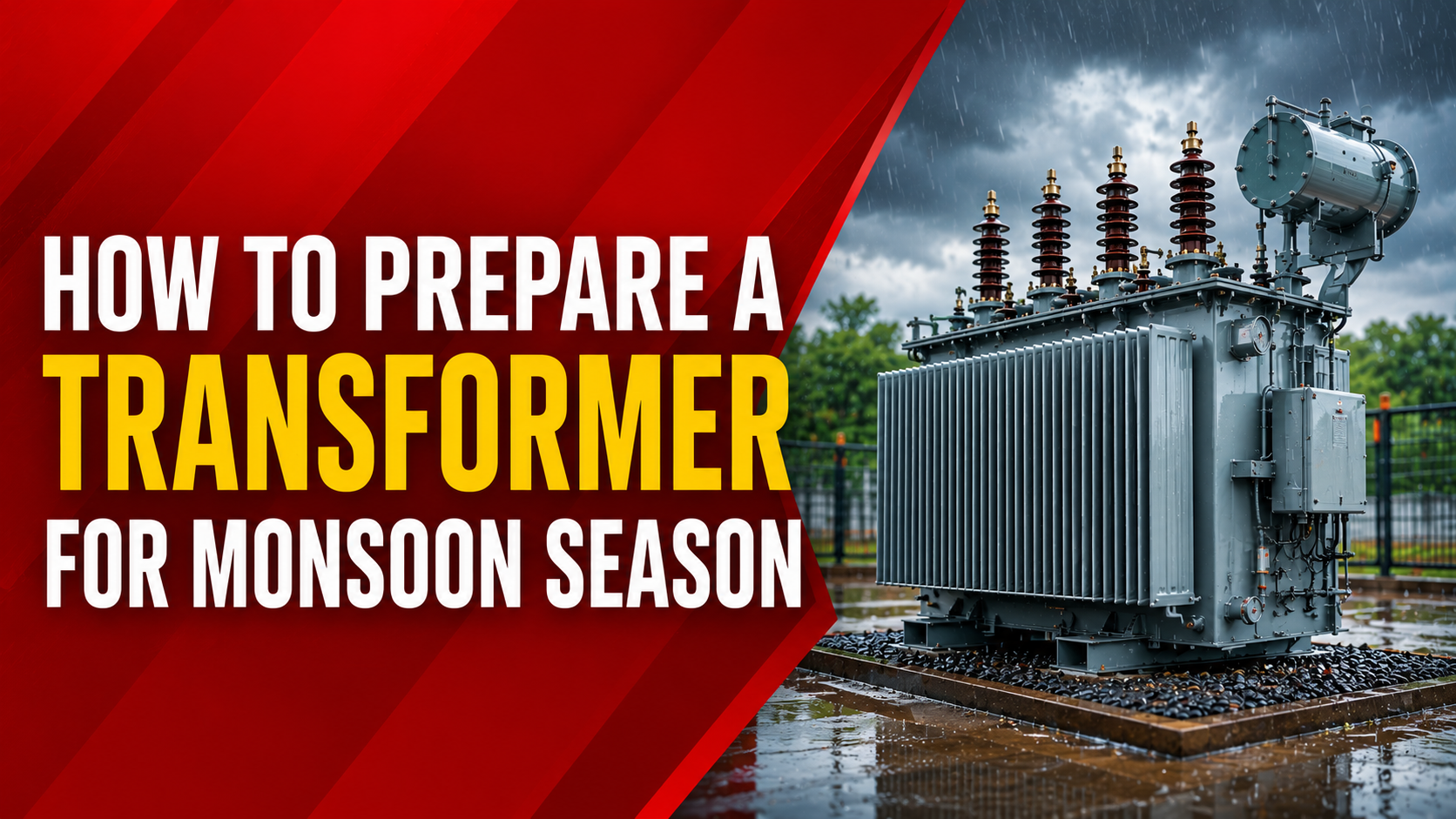
Rain usually exposes what dry weather lets slide. A transformer can look settled through summer and still enter monsoon with weak seals, dirty surfaces, poor drainage, or damp-prone fittings.
Once moisture starts sitting on the yard and around the unit, small defects grow faster and inspection gets much harder.
You often feel the season first through seepage, surface stress, and slower cooling response rather than one sudden fault.
Here’s where your monsoon preparation should begin.
Small oil leaks deserve attention before the first heavy spell arrives. A light stain around a flange, valve, or gasket may look manageable in dry weather, yet monsoon moisture changes the pressure around that weak point and makes the area harder to read later. When you seal those points early, you protect both oil condition and internal insulation from a more difficult season.
Bushings, radiator faces, and exposed fittings collect more than dust. They collect the thin damp film that rainy weather leaves behind. Once dirt and moisture sit together, surface performance starts to change, and heat leaves cooling surfaces less freely. A clean transformer usually gives you a clearer picture of its condition and a safer starting point for wet months.
The breather often tells you how ready the transformer is for the monsoon. If the silica gel is exhausted or the housing looks neglected, moisture control has already weakened before the season begins. Humid air keeps testing that part of the system every day. A healthy breather helps you slow the moisture burden before it starts showing up somewhere more serious.
Monsoon preparation is not only about the transformer. It is also about the ground around it. Water that stays near the plinth, cable entry, or access path keeps the lower area wet for longer and makes seepage, rust, and surface wear harder to spot. A cleaner drainage path gives you a drier base and a more readable yard once the rain settles in.
Cooling needs room even in wet weather. If radiators are coated with grime or the space around the transformer is cluttered with material, vegetation, or loose debris, the unit has to operate under a more severe thermal condition. Makpower understands that the monsoon air already carries more moisture and often less comfort for the equipment. You help the transformer more than you think when you free up airflow and keep the cooling surfaces clear.
Monsoon season also raises the electrical stakes around the yard. Lightning exposure, wet ground, and unstable weather patterns make earthing and surge protection worth another look before the season settles in. This is not only a protection issue on paper. It is part of how the transformer handles the rougher electrical environment that rainy months can bring.
Wet weather changes the standard for what counts as a minor issue. What looked manageable in dry months can start behaving very differently once moisture settles around the transformer and the yard stops drying out properly.
Much of our monsoon-side repair and inspection work starts from that exact shift.
If your transformer is entering the season with old fittings, light leakage, or a site that holds water too easily, contact us and let us review the condition before the rain begins testing those points every day.
Specialized in Induction Furnace Transformers, Step-Voltage Regulators, and 25 MVA 132kV Substation Class Power Units.
Contact Technical Team